
🗞️ Community Journalism: When “Lived Experience” Replaces Facts
By Domesticated Warrior
Have you heard of "Community Journalism"?
I hadn't either—until recently.
Back in high school, I took a journalism and yearbook class. We were taught that journalism meant something: truth, facts, sourcing, and responsibility. We were warned against bias and told to chase the truth—not twist it to fit a narrative.
But somewhere along the way, that idea got tossed. And now, “community journalism” is the shiny new label being slapped on what looks more like activism than journalism.
Originally, community journalism was meant to amplify local voices and restore focus to real people and real issues. That doesn’t sound so bad—until you dig into how it’s being used today.
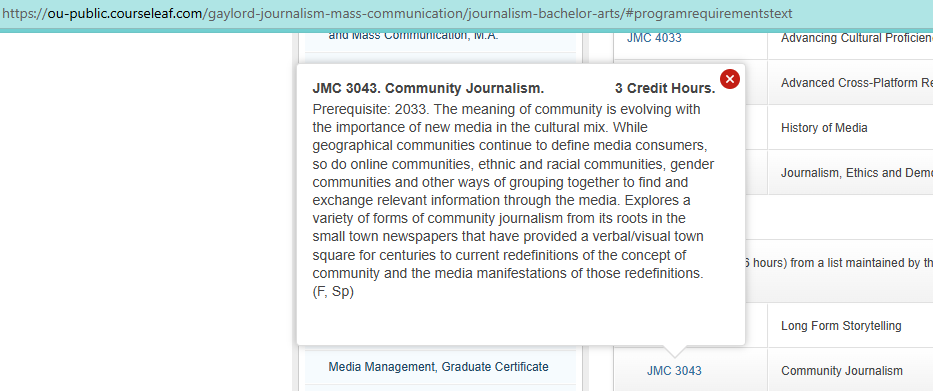
Take the University of Oklahoma, for example. They offer “Community Journalism” as an elective in their BA Journalism program. Read the course description and you’ll start to wonder how it doesn’t violate Governor Stitt’s Executive Order banning DEI initiatives in higher education. But of course, talk is cheap—and enforcement even cheaper.
Why “Community Journalism” Often Skews Left:
💰 Follow the Money
Most “community journalism” outlets are backed by progressive nonprofits or university programs funded by foundations with political agendas. These grants often come with strings attached, requirements to include terms like DEI, equity, racial justice, or climate change in reporting. That’s not journalism. That’s narrative laundering.
🧠 Lived Experience > Objective Fact
One of the biggest red flags? The idea that “lived experience” is equal to—or more important than—verifiable truth. Feelings now outweigh facts, and personal anecdotes become unchallengeable “truths” that shape policy, public opinion, and education.
🧾 Citizen Journalism, Zero Accountability
It sounds good in theory—regular people reporting on what matters in their communities. But in practice? It’s often a breeding ground for opinion masquerading as reporting, incomplete sourcing, and a lack of receipts. Who fact-checks it? No one.
📢 Activism Masquerading as News
Many of these platforms don’t even pretend to be neutral anymore. Under the guise of “community journalism,” they publish open advocacy—pushing legislation, demonizing political opponents, and steering local narratives to match national talking points.
🚨 Common Red Flags in Left-Leaning “Community Journalism”:
Stories with no opposing viewpoints
Heavy reliance on anonymous sources
Feelings over facts
Claims made with zero documentation
Key context omitted on purpose
A refusal to publish corrections, even when proven wrong
✍️ Bottom Line
Community journalism wasn’t always bad journalism. In fact, it started with a noble goal: to bring the news closer to the people. But like many things, it’s been hijacked—turned into a tool for progressive messaging wrapped in a “local” bow.
That doesn’t mean you have to throw it all out—but you do need to ask:
Who funds this outlet?
Are both sides of the story represented?
Is there any actual sourcing—or just people airing grievances or playing puppet for their political handlers?
In today’s world, it’s not enough to read the news—you have to interrogate it.
Because when journalism turns into activism, the truth becomes the first casualty.
Thanks for the clear breakdown on this. Often, people immediately assume that if something's in print or on video, then it must be true. We MUST learn to be discerning of even what appears as the most legitimate and even-handed presentation, not by how it's presented, but by the legitimacy of the content. Your guidelines give excellent questions to ask about the content of the media. Being shrewd has become as significant a life skill as balancing our checkbook.